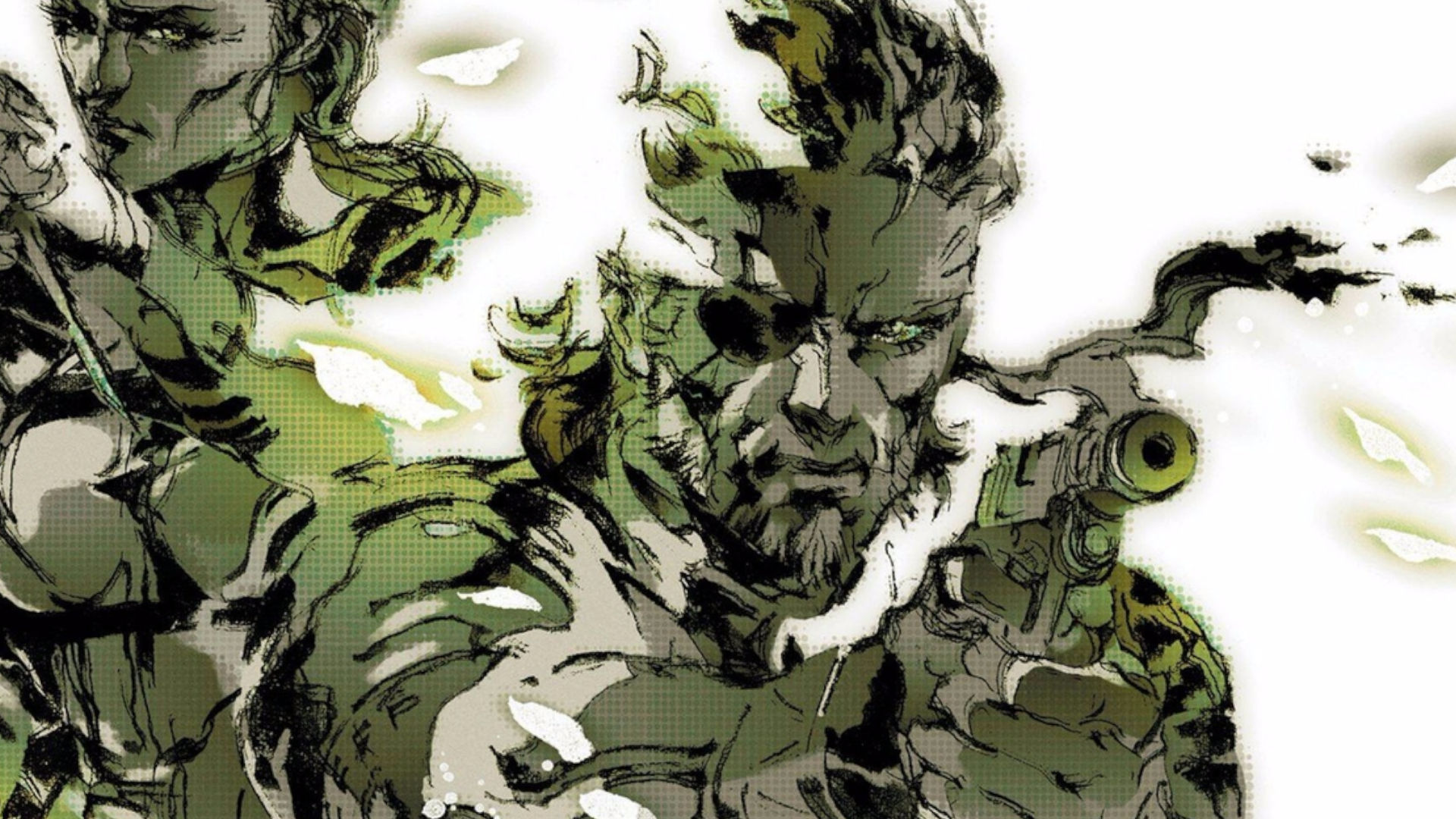
Look. We all know the drama. The messy divorce between Hideo Kojima and Konami is basically gaming history at this point. For years, the Metal Gear series was trapped on aging hardware, specifically the PS3, leaving fans wondering if we’d ever see a modern way to play the games that defined the stealth-action genre. Then came the Metal Gear Solid: Master Collection Vol. 1. It was supposed to be the "definitive" preservation of gaming’s most complex, fourth-wall-breaking, and politically charged franchise. But after the dust settled on the launch, people started realizing that "definitive" is a pretty heavy word to throw around.
I've spent hundreds of hours in these vents. From the pixelated corridors of Shadow Moses to the high-stakes philosophy of Sons of Liberty, I’ve seen these games inside and out. The reality of this collection isn't a simple "yes" or "no." It’s complicated.
What’s Actually Under the Hood?
When you buy the Metal Gear Solid: Master Collection, you’re getting a massive chunk of history. We’re talking about Metal Gear Solid, Metal Gear Solid 2: Sons of Liberty, and Metal Gear Solid 3: Snake Eater. But Konami didn't stop there. They threw in the original MSX2 versions of Metal Gear and Metal Gear 2: Solid Snake, plus the NES versions that—honestly—most people try to forget exist.
It’s a lot of content.
However, the "Master" part of the title raised some eyebrows. See, these aren't full-blown remasters built from the ground up. If you were expecting 4K textures and modernized controls for the early 2000s titles, you might feel a bit let down. What we have here are largely ports based on the 2011 Bluepoint HD Collection. That’s not necessarily a bad thing because Bluepoint did incredible work, but we are essentially playing decade-old ports of twenty-year-old games.
The resolution is the big sticking point. On PC and consoles, MGS2 and MGS3 run at 1080p. In an era where 4K is the standard, seeing Snake’s jagged edges on a 65-inch OLED can be a bit of a shock.
The Weird Quirks of Metal Gear Solid 1
The first Metal Gear Solid is a masterpiece. Period. But playing it in the Metal Gear Solid: Master Collection feels like stepping into a time machine that hasn't quite been tuned right. It’s the original PlayStation version. It runs in its original 4:3 aspect ratio with those familiar wobbly textures.
Konami did add some cool "Master Book" features and digital screenplays, which are genuinely awesome for lore nerds. You can read every single line of dialogue ever recorded for the game. But the actual gameplay? It’s exactly as it was in 1998. That means no analog movement unless you toggle specific settings, and the resolution is capped low.
There's a charm to it.
I actually prefer the original look over the "Twin Snakes" GameCube remake because the atmosphere feels grittier. But if you’re coming from modern games like The Last of Us or even MGSV, the control scheme might make you want to throw your controller. You have to learn to love the "tank" controls. You have to appreciate the fixed camera angles. It's a test of patience as much as a test of skill.
The Problem with "Mastering"
Here is the thing about preservation. If you change too much, you lose the soul of the work. If you change too little, it feels lazy. Konami leaned toward the "too little" side for many critics. For example, the lack of robust internal settings on the PC version at launch was a disaster. No windowed mode? No resolution scaling? Fans actually had to go in and create mods within 24 hours just to make the game playable on high-end monitors.
It’s better now. Patches have fixed the most egregious issues. But it’s a reminder that "Master Collection" sometimes just means "We put the files in a new folder and hoped for the best."
Why Snake Eater Still Matters in 2026
Metal Gear Solid 3: Snake Eater is frequently cited as the best in the series. It’s a prequel set in the 60s. Cold War tension. Jungle survival. The Boss. If you haven't played it, this is the reason to buy the Metal Gear Solid: Master Collection.
The CQC (Close Quarters Combat) mechanics were revolutionary. Even now, the way you have to manage your stamina, heal specific wounds, and change your camouflage to match the environment feels deeper than most modern "survival" games. It’s an emotional gut-punch of a story.
The version included here is based on Subsistence, which added the third-person camera. Thank god. Playing Snake Eater with the old overhead camera is a nightmare I wouldn't wish on my worst enemy.
A Note on the Extra Content
One thing Konami got right was the inclusion of the digital graphic novels. These are stylized, animated retellings of the first two games with full voice acting. They’re stylish as hell. If you’re tired of hiding in lockers and just want the story, these are a fantastic way to digest the "Kojima-ness" of it all without the stress of being spotted by a guard with a "!" over his head.
The Technical Reality Check
Let’s talk performance.
- Nintendo Switch: It’s 30fps. For MGS2 and MGS3, this feels like a downgrade since they ran at 60fps on the PS2 and PS3. It’s portable, sure, but you’re sacrificing smoothness.
- PS5 and Xbox Series X: It’s a rock-solid 60fps. It feels great, but again, it’s just 1080p. It’s crisp, but not "next-gen" crisp.
- PC: This is the best way to play if you’re willing to use mods. The community has unlocked higher resolutions and fixed the audio compression issues that plagued the launch.
Is it a "lazy" port? In some ways, yeah. They didn't even remove the references to the original hardware in the manuals. But on the other hand, having these games accessible on a single platform is a win for gaming history. We’ve seen so many games vanish into the ether because of licensing issues or hardware death. At least now, Raiden’s existential crisis in MGS2 is safe for another generation.
Common Misconceptions About the Collection
People keep asking if Metal Gear Solid 4: Guns of the Patriots is in here. No. It isn't. That game is still effectively a prisoner of the PS3’s Cell processor architecture. There are rumors of a "Vol. 2" that will finally liberate it, but for now, the Metal Gear Solid: Master Collection ends with the jungle.
Another big one: "The games are censored."
Not really. There were some minor changes to historical footage due to licensing (mostly around the use of certain archival clips), but the core gameplay, the "problematic" jokes, and the long-winded philosophical monologues about memes and genes are all intact. It's the raw, unfiltered vision of a man who really, really loves movies.
How to Get the Most Out of the Collection
If you’re diving in for the first time, don't play them in chronological order. Start with MGS1.
The games were released in a specific order for a reason. They build on each other meta-textually. MGS2 is a direct commentary on the player's experience with MGS1. If you play MGS3 first because it’s a prequel, you’ll miss half the references and the mechanical evolution will feel backward.
Also, read the Master Books. Konami put a lot of effort into the supplementary material. They explain the confusing timeline, the relationship between the different "Snakes," and the real-world history that inspired the plots. It’s basically a digital museum.
Performance Tweak for PC Users
If you are playing on PC, go to the Steam Workshop or Nexus Mods immediately. Look for the "MGS Resolution Patch." It allows you to force the games to run at 4K. It makes a world of difference. The character models in Snake Eater actually hold up surprisingly well when you aren't looking at them through a 1080p blur.
Final Thoughts on the Legacy
The Metal Gear Solid: Master Collection isn't perfect. It’s a bumpy, sometimes frustrating, and occasionally bare-bones tribute to one of the most important franchises in history. But it’s also the only way many people can play these games today.
There is something special about these titles. They predicted the rise of misinformation, the dangers of digital surveillance, and the complexity of global politics way before these topics became our daily reality. Playing them today doesn't just feel like a nostalgia trip; it feels like a warning.
Even with the technical flaws, the brilliance of the game design shines through. The boss fights are still some of the most creative in the industry. The Psycho Mantis fight in MGS1—even without a physical memory card to "read"—still manages to mess with your head.
Next Steps for Players:
- Check your platform: If you value portability, get it on Switch, but be prepared for 30fps. If you want the best visual fidelity, get the PC version and install the community resolution patches.
- Don't skip the MSX games: They’re hard, but Metal Gear 2: Solid Snake (the 1990 version, not the NES one) is surprisingly modern in its design and sets the blueprint for everything that followed.
- Update your game: Ensure you have the latest patches (Version 1.4.1 or higher) to avoid the save-data bugs and audio glitches that were present at launch.
- Use a controller: Even on PC, these games were designed for dual-analog sticks. Keyboard and mouse support exists now, but it feels like trying to perform surgery with oven mitts. Use a gamepad.